

Apple Wants a Bigger Place in Your Home. Here's What It Could Launch.
Apple has spent years making the devices people carry, wear and use every day feel connected. An iPhone can work with a Mac, an Apple Watch can track activity, and AirPods can move between devices with relatively little effort.
Now, the company appears ready to make another part of everyday life a bigger priority: the home itself.
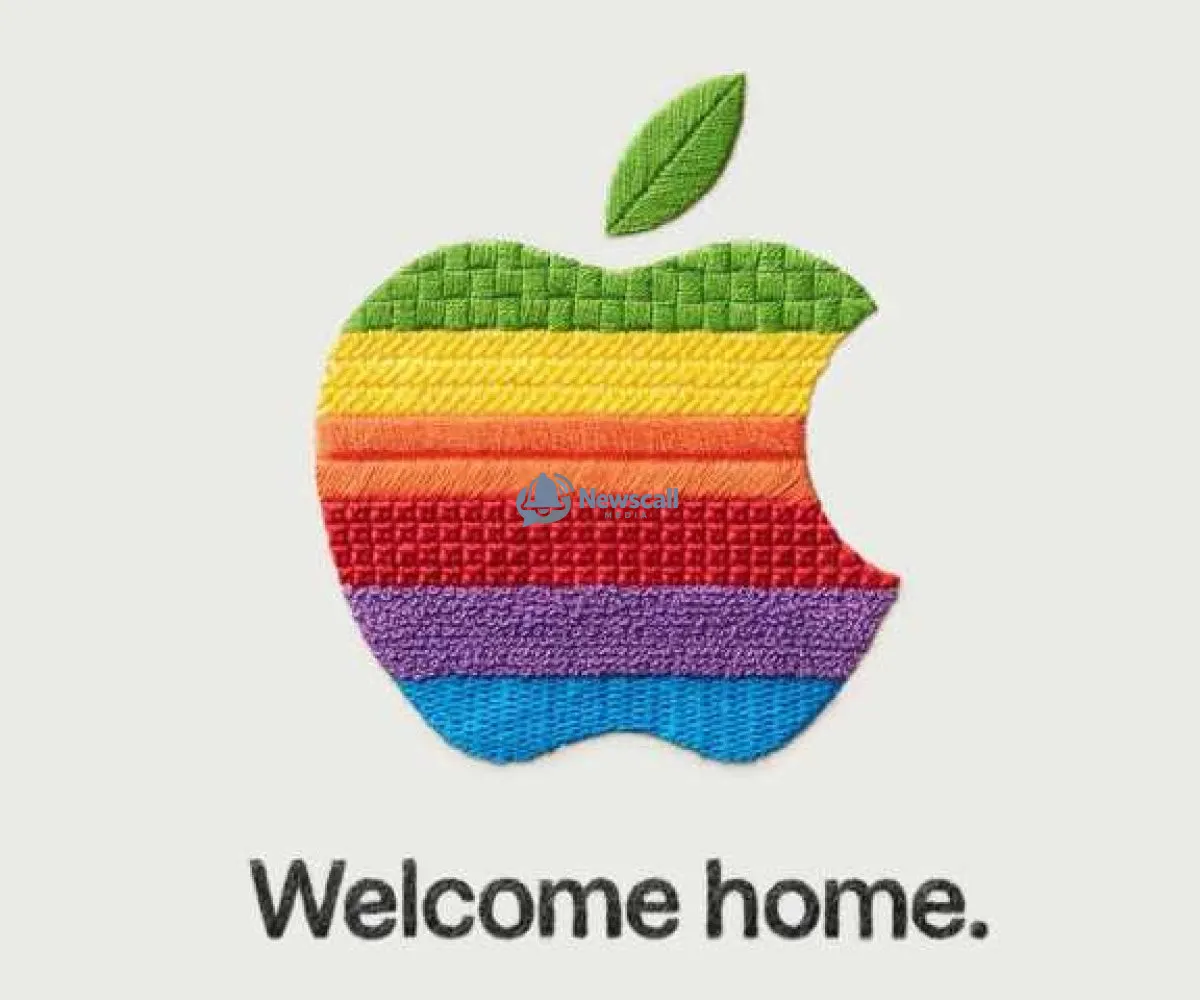
Apple has announced a product experience called “Welcome Home” for October 13, 2026, in New York. The company has not publicly confirmed the full product lineup, but reports point to three major announcements: a new smart-home hub with a screen, an updated HomePod mini and a refreshed Apple TV 4K.
If those reports prove accurate, the launch could mark an important step in Apple's effort to compete more directly in the smart-home market, where Amazon and Google have spent years building their own ecosystems.
The most interesting rumoured product is a touchscreen hub designed to bring different parts of the home together.
Reports suggest the device, described in rumours as HomeView or HomePad, could feature a roughly six-inch square display. It is expected to combine elements of a smart speaker and a small touchscreen computer, allowing people to control connected accessories, check information and interact with Siri.
Rather than picking up an iPhone every time someone wants to adjust the lights or check a connected device, a household could have a central screen in a kitchen, living room or hallway.
That might sound like a small convenience, but it addresses a genuine problem with smart homes: the technology can become fragmented.
A person may have smart bulbs from one company, a security camera from another, a connected thermostat and a television with its own remote. Each device might work perfectly well on its own, yet managing everything can involve several apps, different settings and a confusing collection of controls.
A central hub could make those devices easier to manage, provided they are compatible with Apple's ecosystem.
Apple already offers a framework for controlling connected home accessories through Apple Home. Its HomeKit platform and support for the Matter smart-home standard help compatible devices work together across different manufacturers. A dedicated screen could make those controls more accessible to people who do not want to manage every interaction through a phone.
The bigger question is what Apple can do with artificial intelligence.
Reports suggest the new hub will be closely tied to a more capable version of Siri. That could allow people to control devices using natural language instead of remembering specific commands or navigating several menus.
A person might ask Siri to prepare the house for bedtime, for example. Depending on the connected devices, permissions and configured automations, that could mean dimming lights, adjusting a thermostat or locking compatible doors.
A more capable assistant could also help people interact with calendars, reminders and other household information from a shared screen.
However, these are potential use cases, not confirmed demonstrations of the rumoured hardware. Apple's success will depend on how well Siri understands requests, how reliably automations work and how many accessories the system can control.
That matters because smart-home technology has often promised more convenience than it delivers. Voice assistants sometimes misunderstand instructions, connected devices can lose their connections, and automations may fail when a device is incompatible or a setting is configured incorrectly.
Adding a screen will not solve those problems by itself. Apple needs to make the whole experience reliable enough that people actually use it.
The company also reportedly plans to refresh the HomePod mini, its compact smart speaker, and the Apple TV 4K, its streaming device. Both products have been on the market for years, and new hardware could help prepare them for more advanced Siri features.
The HomePod mini could receive a faster processor, updated wireless connectivity and additional colour options, according to reports. The Apple TV is also expected to receive internal upgrades, although details such as the final processor and remote design remain unconfirmed.
Together, the three products could form a more coordinated smart-home system: a hub for managing the household, speakers for audio and voice interaction, and a television device that anchors entertainment in the living room.
That would fit Apple's broader strategy of making its products more valuable when used together.
There is a business reason for this approach, too. The smartphone market is mature, and Apple already has a large installed base of customers using its devices and services. Expanding into the home gives the company another way to deepen its relationship with those customers.
A household that uses Apple hardware for entertainment, communication and home automation may have more reasons to remain within the company's ecosystem. Accessories, services and software can reinforce one another, making the overall experience more valuable than any individual product.
Amazon and Google have already established strong positions in this market. Amazon's Echo devices and Alexa assistant offer voice control and home automation, while Google has built smart-home features around Google Home and its own assistant technology.
Apple's opportunity is not simply to make another speaker with a screen. It is to offer an experience that feels integrated with the iPhone, works reliably with compatible accessories and handles personal information in a way users trust.
Privacy could become an important part of that pitch. A smart-home hub may interact with household routines, calendars, cameras and other sensitive information. If it can recognise different members of a household and personalise what appears on screen, it also needs to handle that information carefully.
Reports have suggested that the new hub could use a camera or presence sensors to identify who is nearby and tailor its interface accordingly. Those details remain unconfirmed, and the practical value of such features will depend on how they work and what controls users have over them.
Apple will need to explain how personal information is processed, what data leaves the device and how users can control access. Convenience is valuable, but a connected home should not require people to surrender more privacy than they are comfortable with.
Price will matter as well. Reports have suggested that the new hub could cost around $350, although Apple has not confirmed a price. If that estimate is accurate, the device would need to offer a meaningful advantage over existing smart displays and the combination of products many households already own.
There is also the question of availability. A product announcement does not necessarily mean every device will go on sale immediately, and rumours about release dates should not be treated as confirmed schedules.
Apple's October 13 experience could provide the first concrete answers. Until the company makes its announcements, the expected hardware, specifications and prices remain subject to change.
What is already clear is that Apple wants people to think about its ecosystem beyond the devices they carry in their pockets. A home is full of connected technology, and the company sees an opportunity to make that technology easier to control through its hardware and software.
The challenge is turning that ambition into something genuinely useful. People do not need another screen simply because it has an Apple logo. They need technology that makes everyday tasks simpler, works with the devices they already own and stays dependable after the excitement of launch day has passed.
If Apple gets those details right, its next smart-home products could become more than a new set of accessories. They could help establish the home as another important part of the company's connected ecosystem.

Victor Oluebubechukwu Akuma.
Creative writer