

Malaria: One Fever Could Be a Warning — Know the Signs and Act Fast.
Malaria: One Fever Could Be a Warning — Know the Signs and Act Fast.
From a simple mosquito bite to a life-threatening illness, malaria can progress quickly. Here is what families need to know about the symptoms, prevention, testing and treatment.
A fever may seem like an ordinary illness, but in parts of Africa where malaria is common, it should never be ignored.
Malaria remains one of the world's major public health challenges. According to the World Health Organization (WHO), an estimated 282 million people were infected with malaria globally in 2024, while about 610,000 people died from the disease. The WHO African Region carried approximately 95 per cent of the global malaria burden, with children under five accounting for about three-quarters of malaria deaths in the region.
The disease is preventable and treatable, but malaria can become severe when diagnosis and treatment are delayed.
What Is Malaria?
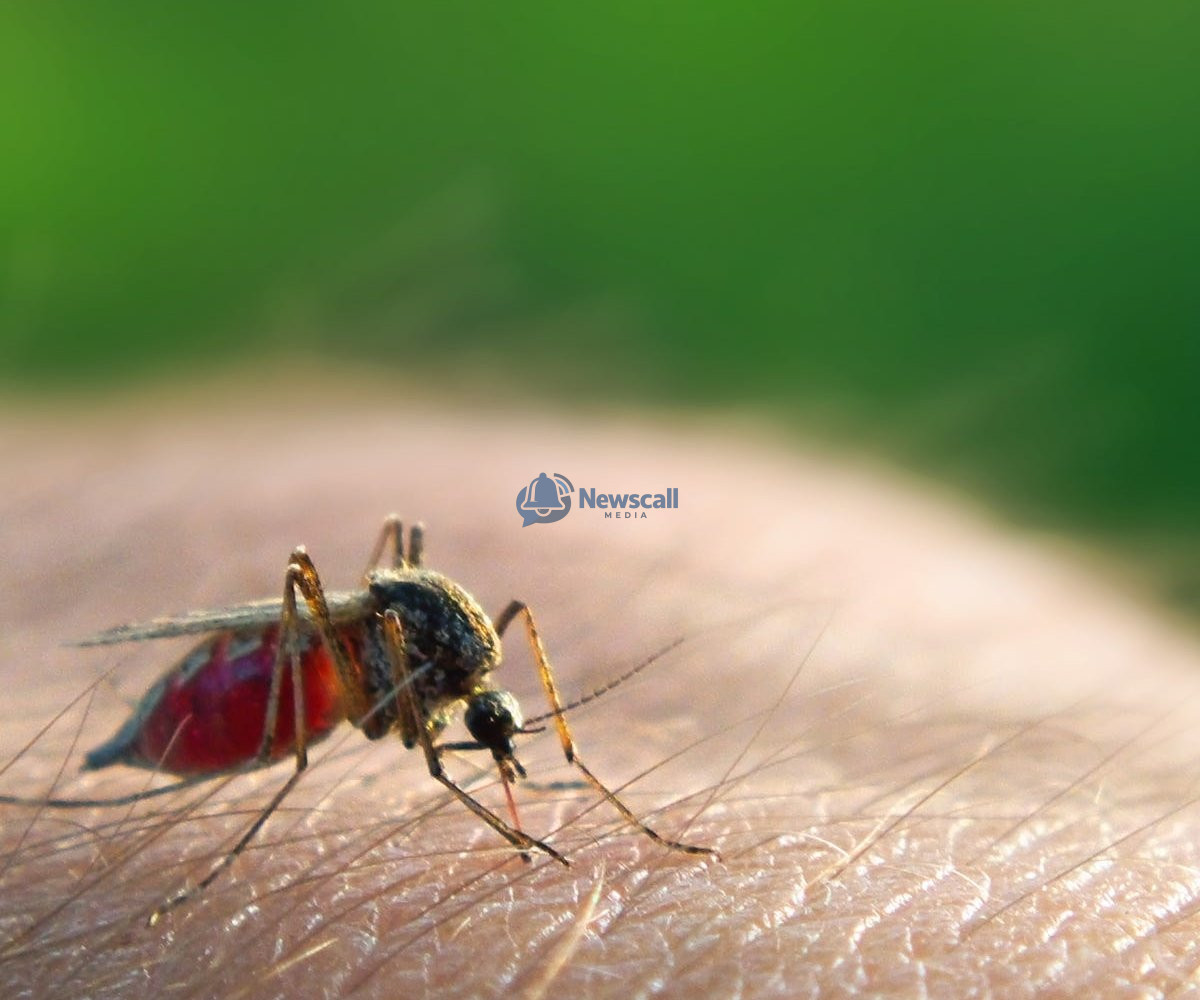
Malaria is a disease caused by Plasmodium parasites and mainly transmitted through the bites of infected female Anopheles mosquitoes.
The parasite Plasmodium falciparum is the most prevalent malaria parasite in Africa and is responsible for many of the most severe cases of the disease.
Malaria does not normally spread through ordinary contact such as shaking hands, hugging or sitting beside an infected person. However, in rare circumstances, it can be transmitted through infected blood or contaminated needles.
Don't Ignore These Symptoms
The first symptoms of malaria can be mild and may look similar to other common illnesses.
Common symptoms include:
- Fever
- Chills
- Headache
- Body weakness and fatigue
- Body aches
- Nausea
- Vomiting
WHO says symptoms commonly begin around 10–15 days after an infective mosquito bite, although the timing can vary.
Because these symptoms can occur with other infections, people should not automatically assume that every fever is malaria. Testing is important.
When Malaria Becomes an Emergency
Malaria can progress rapidly, particularly when caused by P. falciparum.
Severe warning signs include:
- Extreme tiredness or weakness
- Confusion or impaired consciousness
- Convulsions or seizures
- Difficulty breathing
- Dark or bloody urine
- Yellowing of the eyes or skin
- Abnormal bleeding
Anyone experiencing these symptoms needs urgent medical attention. WHO warns that untreated P. falciparum malaria can progress to severe illness and death within a short period.
Who Is Most at Risk?
Malaria can affect anyone living in or travelling to an area where the disease is transmitted, but some people face a greater risk of severe illness.
They include:
- Children under five
- Infants
- Pregnant women and girls
- People with HIV/AIDS
- People with little or no immunity to malaria
- Travellers from areas without malaria transmission
Pregnant women require particular attention because malaria infection during pregnancy can contribute to complications such as premature delivery and low birth weight.
Prevention Starts With the Mosquito Bite
One of the most effective ways to reduce malaria is to prevent mosquito bites.
People living in malaria-endemic areas can reduce their risk by:
Sleeping under insecticide-treated mosquito nets: Use an appropriate treated net every night, particularly for children and pregnant women.
Using mosquito-control measures: Window and door screens, repellents and other appropriate mosquito-control measures can reduce exposure.
Supporting indoor spraying programmes: Where indoor residual spraying is provided, households should follow local public health guidance.
Taking recommended preventive medicines: Certain preventive treatments are recommended for specific groups and settings, including pregnant women and children in some malaria-endemic areas.
Malaria Vaccines Add Another Layer of Protection
Malaria prevention now includes vaccines for children in malaria-endemic areas.
WHO recommends a four-dose schedule beginning at around five months of age, with a possible fifth dose in certain high-risk settings. The exact programme depends on national and local vaccination policies.
However, vaccination does not replace mosquito nets, testing, treatment or other malaria-control measures. WHO recommends combining vaccination with other proven prevention strategies.
Test Before You Treat
Not every fever is malaria.
WHO recommends that suspected malaria cases be confirmed with parasite-based testing, such as microscopy or a rapid diagnostic test. Early diagnosis allows appropriate treatment to begin and can help prevent mild disease from progressing to severe illness.
People should therefore avoid relying on guesswork or taking leftover antimalarial medicines without appropriate medical guidance.
Treatment depends on factors such as the parasite involved, drug resistance, age or weight, pregnancy status and how severe the infection is.
Children Need Special Attention
For families, malaria prevention is particularly important for young children.
WHO estimates that children under five accounted for approximately 75 per cent of malaria deaths in the African Region in 2024.
Parents and caregivers should therefore take fever and other symptoms seriously, especially when a child lives in or has recently travelled to a malaria-endemic area.
Rather than waiting for symptoms to become severe, caregivers should seek appropriate medical assessment when malaria is suspected.
Nigeria and the Malaria Burden
Nigeria remains one of the countries carrying a very large share of the global malaria burden. WHO's latest malaria data indicate that Nigeria accounted for about 31.9 per cent of malaria deaths in the African Region in 2024, the largest share among countries in the region.
This makes malaria prevention, early testing and appropriate treatment particularly important for Nigerian families and communities.
The Message Is Simple: Prevent, Test and Treat
Malaria remains a serious disease, but people can take practical steps to reduce its impact.
Sleep under an insecticide-treated net. Reduce mosquito exposure. Follow recommended prevention programmes. Make sure eligible children receive malaria vaccination where it is available. And when fever or other symptoms appear, seek appropriate testing and medical care early.
A mosquito bite may last only a few seconds, but the illness it transmits can become dangerous.
Do not wait for malaria to become severe before taking action.
Disclaimer: This article is for general health information only and is not a substitute for professional medical advice, diagnosis or treatment.Anyone experiencing severe symptoms should seek urgent medical attention.
Source: World Health Organization (WHO) malaria fact sheet and malaria vaccine guidance.

Anozie Chiemerie Emmanuel
Writer