


"No Looking Back": Tinubu Declares End of Painful Reforms, Warns Against Subsidy Return.
"No Looking Back": Tinubu Declares End of Painful Reforms, Warns Against Subsidy Return.
Independence Day broadcast casts Nigeria as a cured patient, takes a swipe at Atiku and the opposition ahead of 2027.
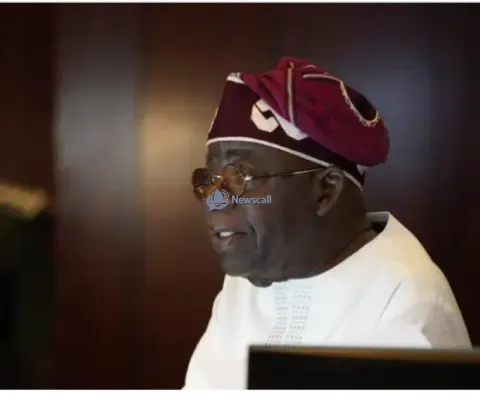
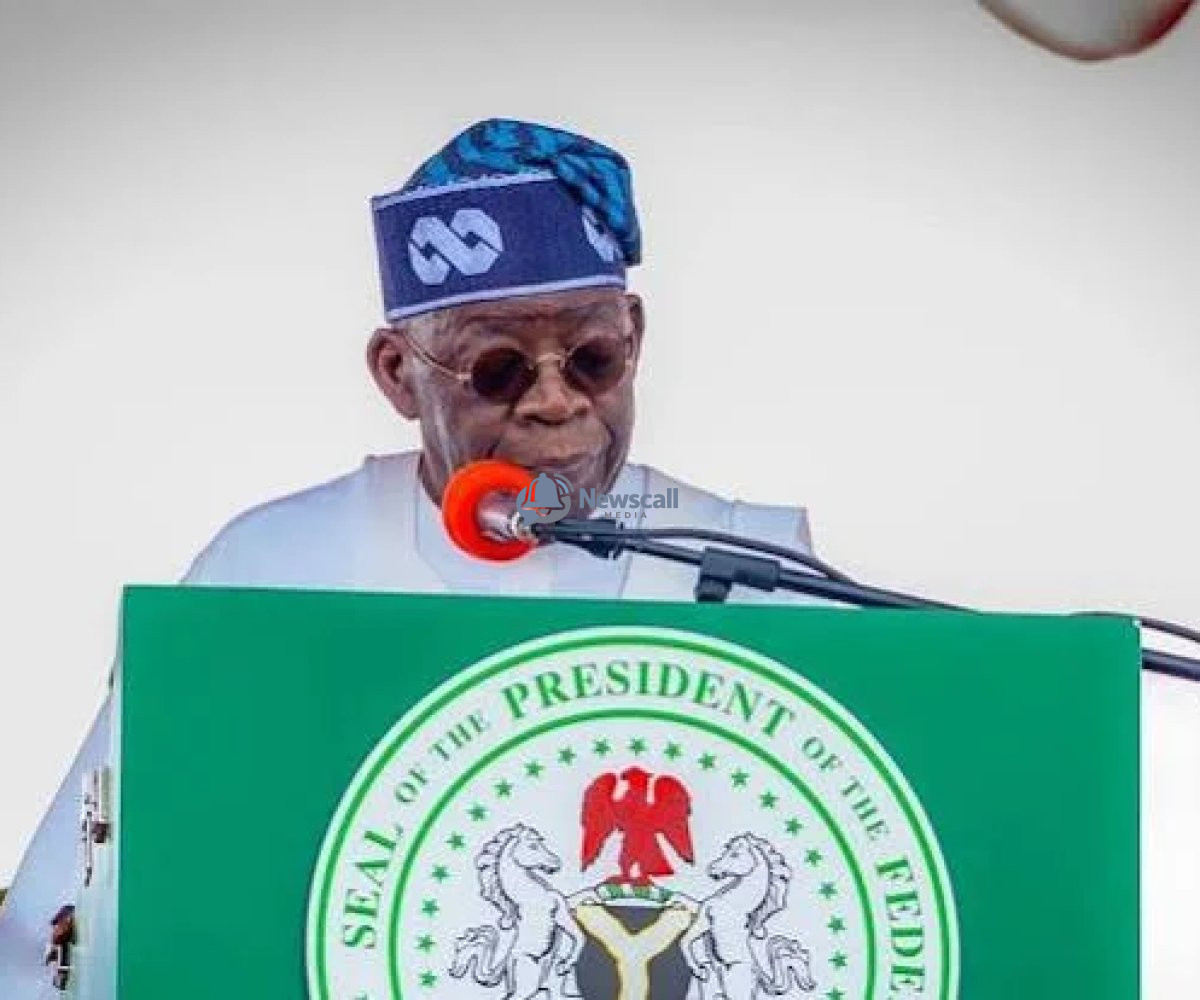
ABUJA - President Bola Tinubu has told Nigerians the worst is behind them. In his 66th Independence Day broadcast on Thursday, he declared that Nigeria has left an "age of reform" and entered an "age of prosperity." He also warned politicians who want to bring back fuel subsidies to stand down.
Delivered under the theme "From Reform to Prosperity," the address was part victory lap and part campaign-season warning. Tinubu defended his two most controversial decisions, ending the petrol subsidy and unifying the naira exchange rate, with a stark medical metaphor.
"Nigeria was like a sick patient who receives the terrible news that he has cancer," he said. The patient, he explained, could endure painful treatment or ask only for morphine and let the disease spread. "For too long, Nigeria's leaders chose morphine while praying for a miracle that never came."
A swipe at the opposition
The sharpest moment came when Tinubu turned on those who want the old system back. Without naming anyone, he took aim at "certain influential but regressive voices" urging a return to "addictive subsidies" and told Nigerians to resist their "siren song."
The remark was widely read as aimed at former Vice President Atiku Abubakar, who has in recent weeks promised to restore a "targeted" petrol subsidy if elected in 2027. The Presidency has criticised Atiku's camp over what it calls shifting positions on the issue.
"Our reforms did not create the weaknesses in our economy," Tinubu insisted. "They confronted them."
The scorecard
Three and a half years into his tenure, the President said the results were "undeniable." His claims included:
The economy grew by more than four per cent in 2026, driven by both oil and non-oil sectors.
Oil theft has declined and inflation has fallen substantially from its peak.
Foreign reserves have been rebuilt and the foreign exchange market has stabilised.
Non-oil exports earned a record of more than $6bn in 2025.
"This is real money being made by real Nigerian businesses," he said, adding that international observers, NGOs and multilateral institutions had endorsed the reforms and that foreign direct investment keeps rising.
"The emergency treatment is over"
Tinubu signalled a shift in tone and priority. "The emergency treatment is over. The foundation has been repaired," he said. For three years, he explained, the goal was to correct the nation's course. Now it is "shared and widespread prosperity."
He defined prosperity in everyday terms: a farmer who can work safely and earn a decent return, factories with steady power, businesses with access to credit, young people in productive jobs, and families who can afford food, transport and education.
Tackling the cost of living
With high living costs still the biggest worry for households, the President promised to cut the cost of producing and moving food and goods. His plans include mechanised irrigation and dry-season farming, better access to seeds and fertiliser, and investment in storage, roads, railways and ports linking farms and factories to markets.
"When a farmer produces more cheaply, when fewer crops are lost between the farm and the market... all those savings will ultimately find their way into the price of goods," he said.
Jobs at the centre
Tinubu pledged to put "jobs, enterprise, and industrial growth" at the heart of policy. He promised to use domestic gas to power new industries, revive factories in industrial centres, extend digital connectivity to underserved communities and fund skills that employers need.
"I want to see more Nigerians making things," he said, adding that he wants young Nigerians "building unicorns" at home.
A bridge for the poor
Acknowledging that millions "cannot wait for tomorrow," he said the government is strengthening direct support to the poorest households and improving the National Social Register. He cited the Nigerian Education Loan Fund (NELFUND) for students from low-income families and CREDICORP, which gives workers credit for vehicles, solar systems and other assets. He also said salaries and pensions have been paid "on time and in full" since 2023.
"These programmes are not substitutes for prosperity. They are a bridge," he said. "We will defeat [poverty]."
The Red Sea and the road ahead
Tinubu closed on a biblical note, comparing Nigeria's turnaround to Israel's exodus from Egypt. "We have passed through our own Red Sea. This is not the time to look back," he said. "Our destination is in sight."
The speech arrives as public frustration over prices lingers and the 2027 race takes shape. Subsidy policy has already become a flashpoint between the ruling All Progressives Congress and opposition candidates, and Thursday's broadcast made clear Tinubu intends to defend it. Whether struggling households agree that the "emergency" is over may decide the contest.
For millions of Nigerians, the real test of Tinubu's "age of prosperity" will not be found in speeches or statistics, but in the market basket, the monthly pay slip and the light that stays on after dark. The President says the Red Sea has been crossed, yet many households are still waiting to feel dry ground beneath their feet. As 2027 draws near, voters will decide whether the promised land is truly in sight, or whether the journey has only just begun.

Anozie Chiemerie Emmanuel
Writer