

21 Days, 28 Names: Nigeria Holds Its Breath as Ebola Watch Enters Final Stretch.
21 Days, 28 Names: Nigeria Holds Its Breath as Ebola Watch Enters Final Stretch.
No new cases have been recorded since Nigeria's first imported Bundibugyo Ebola infection, but health officials are still tracking 28 people who may have been exposed.
ABUJA - For three weeks, Nigeria's health authorities have waited, watched and counted. The news so far is good: no new Ebola case has been confirmed since the country recorded its first imported infection. But the Nigeria Centre for Disease Control and Prevention (NCDC) says the work is not over, and 28 people are still being watched for any sign of illness.
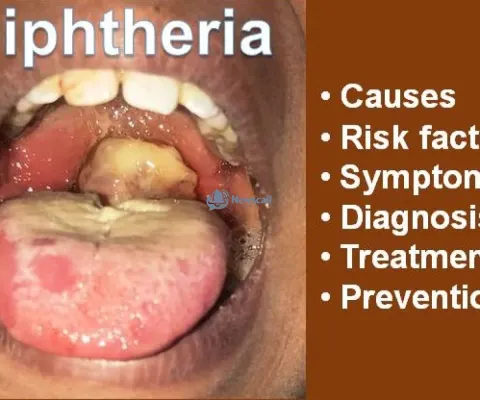
The agency announced the update on Tuesday in a public health advisory on Nigeria's Ebola response. It also covered ongoing outbreaks of Lassa fever, Dengue fever, Chikungunya, Diphtheria and Cerebrospinal Meningitis.
How it began
Nigeria confirmed the imported case, a traveller from Uganda, on October 20. The infection was Bundibugyo Ebola Virus Disease, and it triggered an immediate contact-tracing operation.
Health officials say 62 people have been identified as contacts since then. As of November 9, 34 of them had completed the mandatory 21-day monitoring period, the maximum time the disease can take to show itself. The remaining 28 are still under active surveillance
What being a "contact" means
The NCDC stressed that being named a contact does not mean a person has Ebola. Monitoring exists to catch symptoms early and allow a fast public health response if someone falls ill. For the 34 who have finished their follow-up, it means they are cleared of the watch.
Why the agency isn't celebrating yet
The absence of new cases is encouraging, and it reflects the discipline of the response so far. But officials urged sustained surveillance, because the 28 contacts have not yet completed their window, and a single missed case can restart the clock.
Nigeria has reason to be careful. The country's last Ebola outbreak, in 2014, began when a traveller carried the virus in from Liberia. That outbreak was contained, a success that health experts still point to as proof that fast contact tracing works.
Not the only threat
The advisory was a reminder that Ebola is one of several infectious disease threats Nigeria is managing at once. Alongside it, the NCDC flagged Lassa fever, Dengue fever, Chikungunya, Diphtheria and Cerebrospinal Meningitis, all of which are active.
What the public should do
Health authorities generally advise people to:
Report unexplained illness, especially after contact with a suspected case or travel from an affected country, to health authorities. The NCDC's toll-free line is 6232.
- Practise good hand hygiene and infection prevention.
- Avoid rumours and rely on official NCDC updates.
- Cooperate with health workers if contacted for follow-up.
The road ahead
If the remaining 28 contacts complete their monitoring without symptoms, Nigeria will be able to close this chapter of the response. Until then, the message from the NCDC is vigilance, not complacency.

Anozie Chiemerie Emmanuel
Writer