

Atiku Demands Independent Audit of INEC's AI Election System Before 2027 Polls
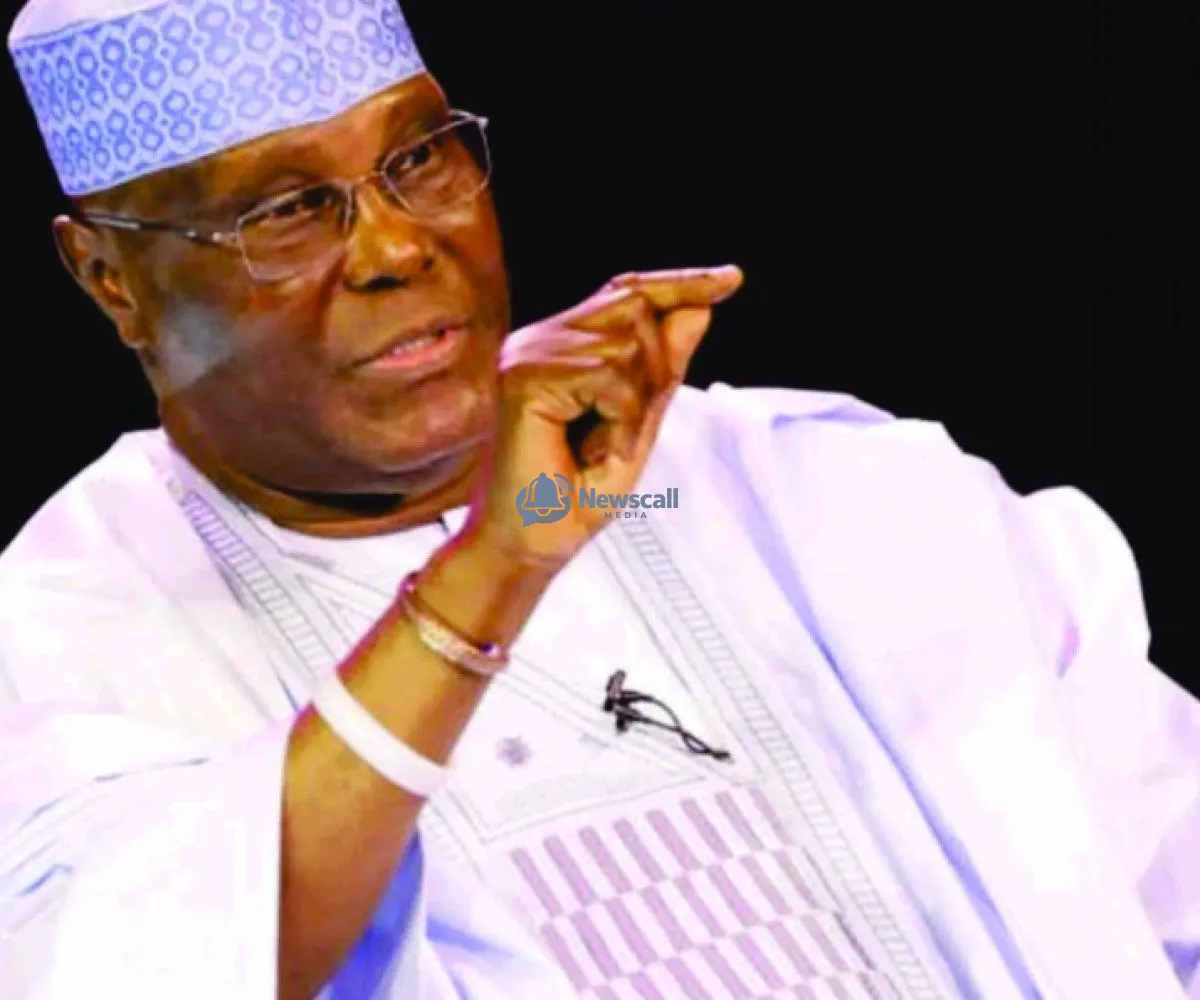
Former Vice President Atiku Abubakar has asked the Independent National Electoral Commission (INEC) to open its proposed artificial intelligence system for independent scrutiny before the technology is used in processing results for Nigeria's 2027 general elections.
Atiku, the presidential candidate of the African Democratic Congress (ADC), wants the commission to disclose how the technology works, who developed it and what safeguards will prevent valid polling unit results from being wrongly flagged, delayed or excluded during electronic processing.
The demand comes as INEC prepares to integrate artificial intelligence and intelligent document-processing technology into the process connecting its Data Verification and Authentication System (DIVAS) with the INEC Result Viewing Portal (IReV).
In a petition dated 17 November 2026 and addressed to INEC Chairman Professor Joash Amupitan, Atiku called for algorithmic transparency, an independent audit and clearly defined rules governing human oversight. The commission acknowledged receipt of the petition on 18 November, according to a report by Premium Times.
Atiku made the request on behalf of the ADC and allied democratic stakeholders, arguing that Nigerians should understand the technology being introduced into the electoral process before it begins handling election-related information.
One of his major concerns is the possibility that an automated system could incorrectly flag a legitimate polling unit result sheet because of problems with the image or document.
For instance, a result sheet photographed under poor lighting, written in unfamiliar handwriting or printed on worn-out paper could be difficult for document-processing software to interpret accurately. Atiku warned that such technical limitations should not become reasons for delaying the transmission of valid results.
He also questioned how the system would determine which discrepancies require further investigation, who would establish the thresholds for flagging documents and whether the same standards would be applied consistently across different polling units.
These concerns touch on an important part of Nigeria's election process: the journey from the counting of votes at polling units to the digital records through which the public can examine the results.
At polling units, presiding officers record election results on Form EC8A, which is completed and signed in the presence of party agents. The IReV portal provides public access to scanned copies of polling unit result sheets, allowing citizens and political parties to compare uploaded documents with the results recorded at the polling units.
However, IReV is not the statutory process through which election results are collated and declared. Its role in providing public access to polling unit result sheets is distinct from the formal collation and declaration process.
This distinction matters because the introduction of additional digital verification tools raises questions about how information is checked without undermining the evidence recorded at the polling unit.
Atiku wants INEC to reaffirm the legal status of the physical Form EC8A and explain how any disagreement between the original document and an artificial intelligence assessment would be resolved.
He insists that AI should function only as an administrative tool under human supervision, rather than having the authority to independently delete, alter or permanently block election results.
To address these concerns, Atiku has asked INEC to publish the technical and operational framework of the proposed system. This includes information about the data used to train it, the criteria for identifying discrepancies and the identities of the developers and third-party vendors involved in its deployment.
He also wants independent cybersecurity experts, political party technology representatives and civil society technologists to have access to the system's source code, training data and decision logs so they can conduct a meaningful audit.
The proposed audit, he says, should take place before INEC's nationwide mock accreditation exercise scheduled for 28 November 2026.
Beyond examining the technology itself, Atiku is demanding a transparent process for handling documents that the system flags for review. INEC would need to explain which officials are responsible for examining such documents, how their decisions would be recorded, how political parties would be notified and how errors could be challenged promptly.
He has also proposed giving political parties access to a real-time monitoring dashboard or another suitable observer platform. Such an arrangement, in his view, would help parties identify unusual patterns involving flagged result sheets, delayed uploads or blocked submissions while an election is taking place.
Atiku further called on the National Assembly to invite INEC's leadership and its Information and Communication Technology Directorate to explain the system's design, safeguards and audit arrangements publicly.
His demands come against the background of earlier debates about the reliability of technology in Nigeria's elections. The introduction of the Smart Card Reader, the Bimodal Voter Accreditation System (BVAS) and IReV was intended to strengthen electoral processes through technology. However, disputes surrounding the 2023 general elections, particularly concerns about electronic result uploads, have continued to shape public expectations of how INEC should manage digital election infrastructure.
INEC Chairman Joash Amupitan has also spoken publicly about the commission's efforts to strengthen its technology ahead of 2027. During an address at Chatham House on 12 November, he discussed safeguards intended to prevent inaccurate or over-voting results from being uploaded to IReV. The commission also announced a nationwide mock accreditation exercise for 28 November as part of its preparations.
However, the commission's public explanation of those safeguards has not provided a detailed technical account of the proposed AI system, including the specific criteria it will use to flag documents or the procedures that will follow such decisions.
That gap is central to the debate. Atiku is asking the electoral commission to provide enough information for independent experts and political stakeholders to examine whether the technology can perform its intended role without introducing new problems into the process.
There is also an important distinction between identifying a possible error and deciding what should happen to a result. Software may help detect inconsistencies or documents that require additional attention, but the procedures for reviewing those cases and resolving disagreements need to be clearly established.
Atiku's concerns are demands for safeguards, not evidence that INEC's proposed system has already altered or rejected any valid election result. Whether the technology can accurately perform its intended tasks will depend on its design, testing, oversight and the procedures established for correcting mistakes.
With the 2027 general elections approaching, the debate is likely to make electoral technology an increasingly important part of public scrutiny. The nationwide mock accreditation scheduled for 28 November offers an opportunity for INEC to demonstrate aspects of its upgraded electoral infrastructure, although a mock exercise alone would not replace the need for transparent technical documentation and independent assessment.
Ultimately, the issue goes beyond whether Nigeria should use artificial intelligence in its electoral process. It concerns how much authority such technology should have, who is responsible when it makes a mistake and whether voters can independently verify that the results recorded at polling units are accurately represented in the digital system.
For INEC, public confidence will depend not only on introducing technology but also on explaining how it works and demonstrating that clear human accountability remains in place. For Atiku and other political stakeholders, the demand is that these questions should be answered before the technology becomes part of an actual election.

Victor Oluebubechukwu Akuma.
Creative writer