


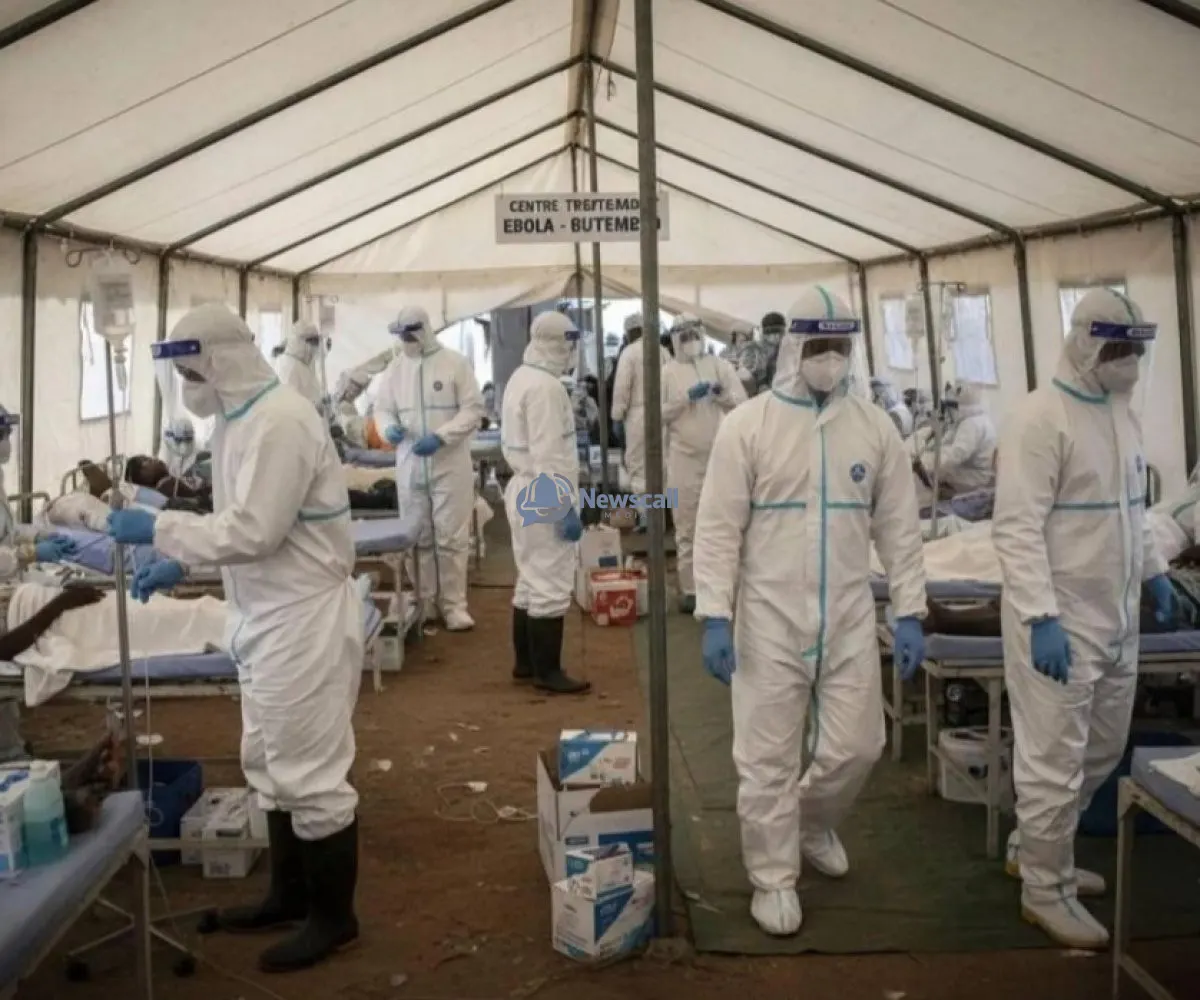
GLOBAL HEALTH EMERGENCY: Ebola Outbreak in DR Congo Surpasses 11,000 Cases as WHO Warns of Growing Humanitarian Challenges
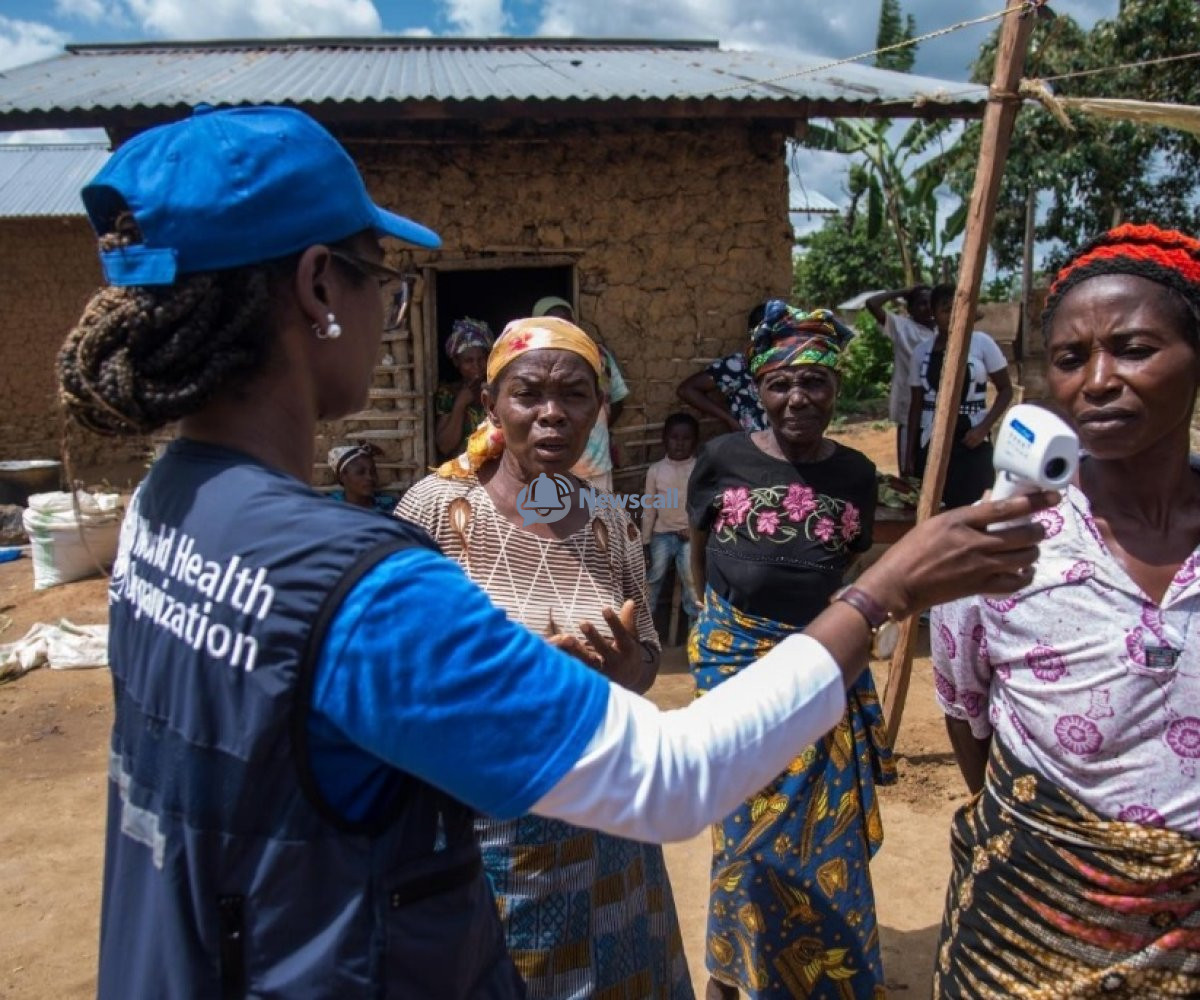
The World Health Organization (WHO) has renewed its warning over the expanding Ebola outbreak in the Democratic Republic of Congo (DR Congo), reporting more than 11,000 cases and 5,400 deaths as the epidemic continues to place enormous pressure on the country's healthcare system.
In an update delivered on Tuesday, November 17, WHO Director-General Tedros Adhanom Ghebreyesus told an international health emergency committee that the number of reported cases had more than doubled over the preceding three months.
The outbreak, which has now continued for six months, has affected 67 health zones across eight provinces of the Democratic Republic of Congo.
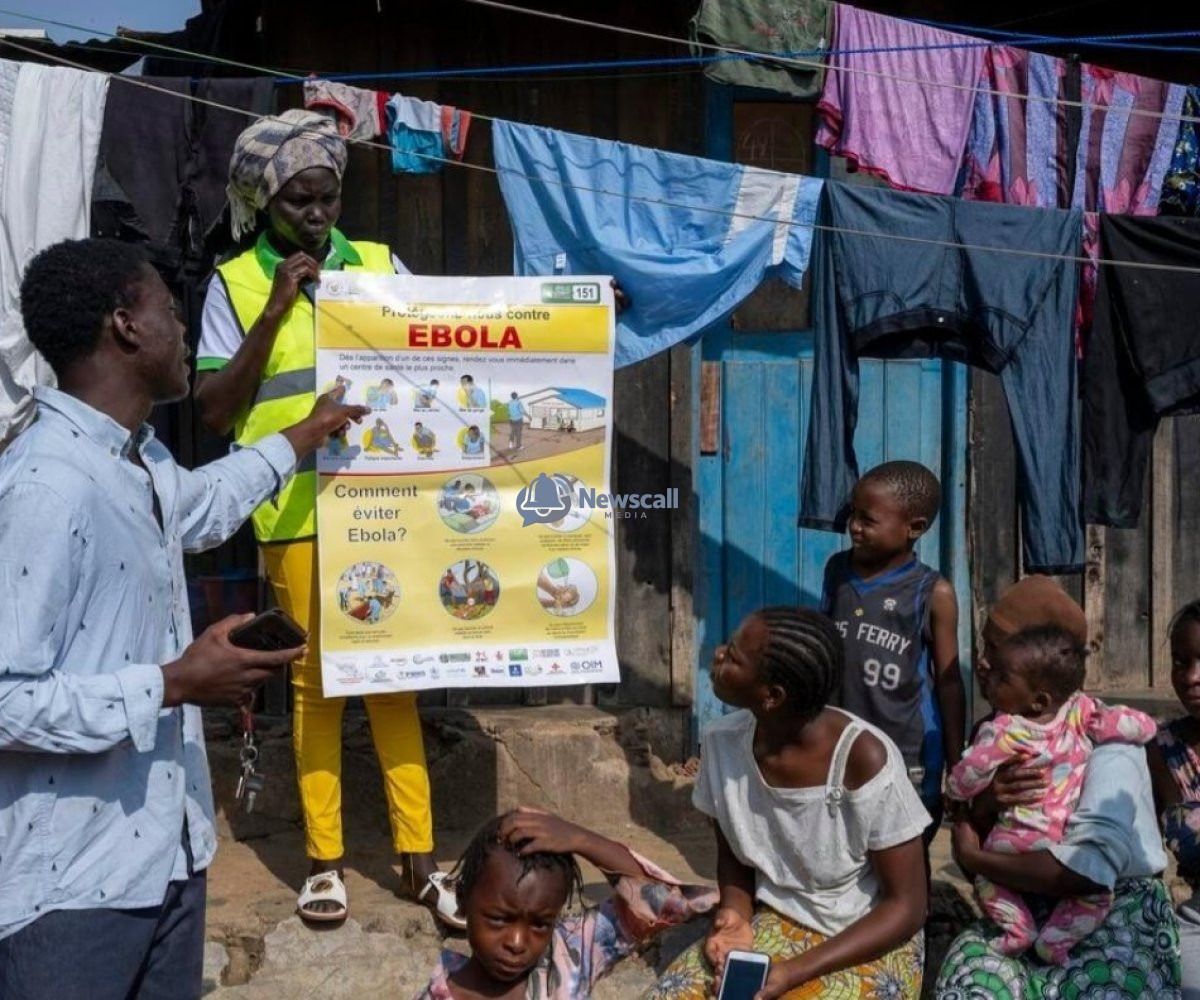
The current epidemic is caused by the Bundibugyo virus, a species of Ebola virus associated with severe illness and significant mortality. It is important to distinguish this outbreak from the Zaire ebolavirus responsible for several previous major Ebola epidemics.
WHO expressed particular concern over the impact on children. More than one-quarter of confirmed cases involve children, who account for approximately one-third of reported deaths. Among confirmed cases in children under five, the reported fatality rate has reached seven in ten.
The international health agency also highlighted difficulties in reaching remote communities, where insecurity, inadequate healthcare infrastructure and limited access to medical services continue to complicate disease surveillance and treatment.
Despite the concerning figures, WHO reported some progress. Approximately 3,000 people have recovered, more than two dozen laboratories are now available to support testing, and close to 2,000 treatment beds have been established.
Clinical trials of potential treatments are also progressing, with more than 900 people enrolled. A vaccine trial using the Ervebo vaccine began in October. However, the vaccine is approved for protection against Zaire ebolavirus, not the Bundibugyo virus responsible for the current outbreak. Its effectiveness against this particular strain therefore cannot be assumed.
The outbreak has also raised concerns beyond DR Congo.
Kenya has reported nine cases linked to an imported infection, including two deaths. WHO said the country's last patient had been discharged and the 42-day monitoring countdown had begun.
Nigeria has also reported one imported case. According to the European Centre for Disease Prevention and Control, the individual had a travel history to Uganda, was medically evacuated to Switzerland and was discharged from hospital on November 11. All 62 identified contacts in Nigeria completed monitoring on November 11.
This distinction is important: the reported Nigerian case does not establish ongoing community transmission in the country.
WHO has cautioned against blanket travel restrictions, arguing that targeted surveillance, rapid testing, isolation and evidence-based public health measures are more effective than indiscriminate restrictions that can damage livelihoods and discourage countries from reporting outbreaks.
Why this matters
The outbreak demonstrates the continuing vulnerability of healthcare systems in regions affected by conflict, poverty and limited medical infrastructure.
For African countries, the situation highlights the importance of cross-border disease surveillance, adequate laboratory capacity, emergency preparedness and international cooperation.
The immediate priority remains controlling transmission, protecting healthcare workers and ensuring that affected communities can access treatment.
For Nigeria, the completion of monitoring for all identified contacts is encouraging, but continued vigilance remains essential.

OKORO WILSON EGWU
“Independent journalist delivering sharp, reporting on global conflicts, humanitarian crises, and international diplomacy. Known for transforming complex world events into...


