


MIDDLE EAST ON THE BRINK: Tanker Crew Missing After Attack Near Hormuz as Iran Targets US Military Installation
A fresh attack on a liquefied petroleum gas tanker near the Strait of Hormuz has intensified fears of a wider maritime crisis in the Middle East, after its crew abandoned the vessel following a projectile strike on Tuesday.
According to the United Kingdom Maritime Trade Operations (UKMTO), the tanker was attacked for a second time approximately seven nautical miles north of Khasab, an Omani port city overlooking the strategically important waterway. The second strike reportedly caused a fire onboard, while the crew's whereabouts remained unknown at the time of reporting.
Reuters, citing maritime security sources, reported that the vessel had initially been struck on Monday, suffering damage to its engine room and becoming disabled. Its crew were considered safe following the first incident. The subsequent attack, however, significantly worsened the situation.
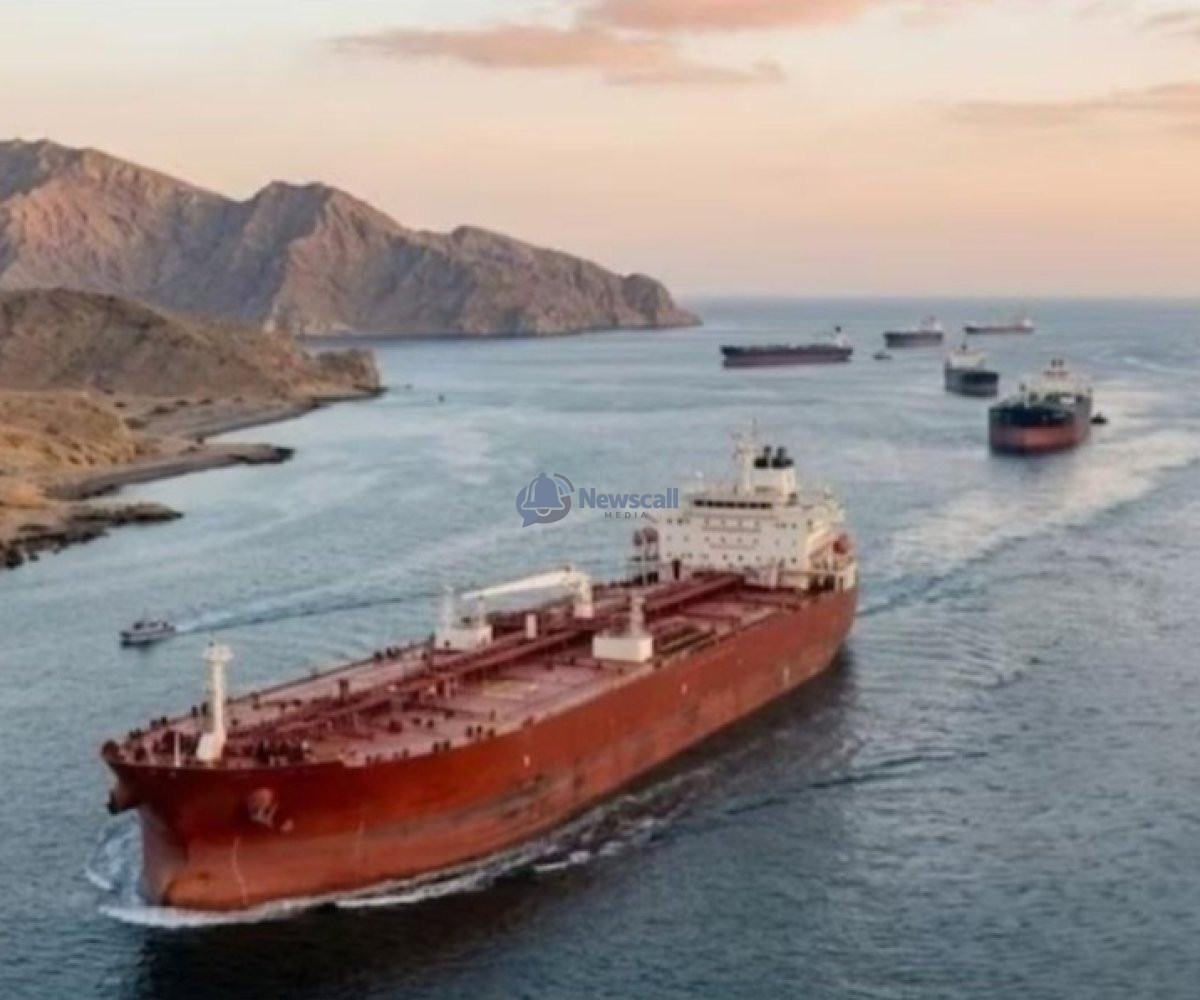
The incident is particularly concerning because the Strait of Hormuz remains one of the world's most important maritime energy corridors. Before the ongoing conflict, approximately one-fifth of global oil and liquefied natural gas supplies passed through the narrow passage connecting the Persian Gulf with the Gulf of Oman.
The waterway has been largely disrupted by the confrontation involving Iran, the United States and Israel, which began in February 2026. The continuing restrictions have affected commercial shipping and placed additional pressure on international energy markets.
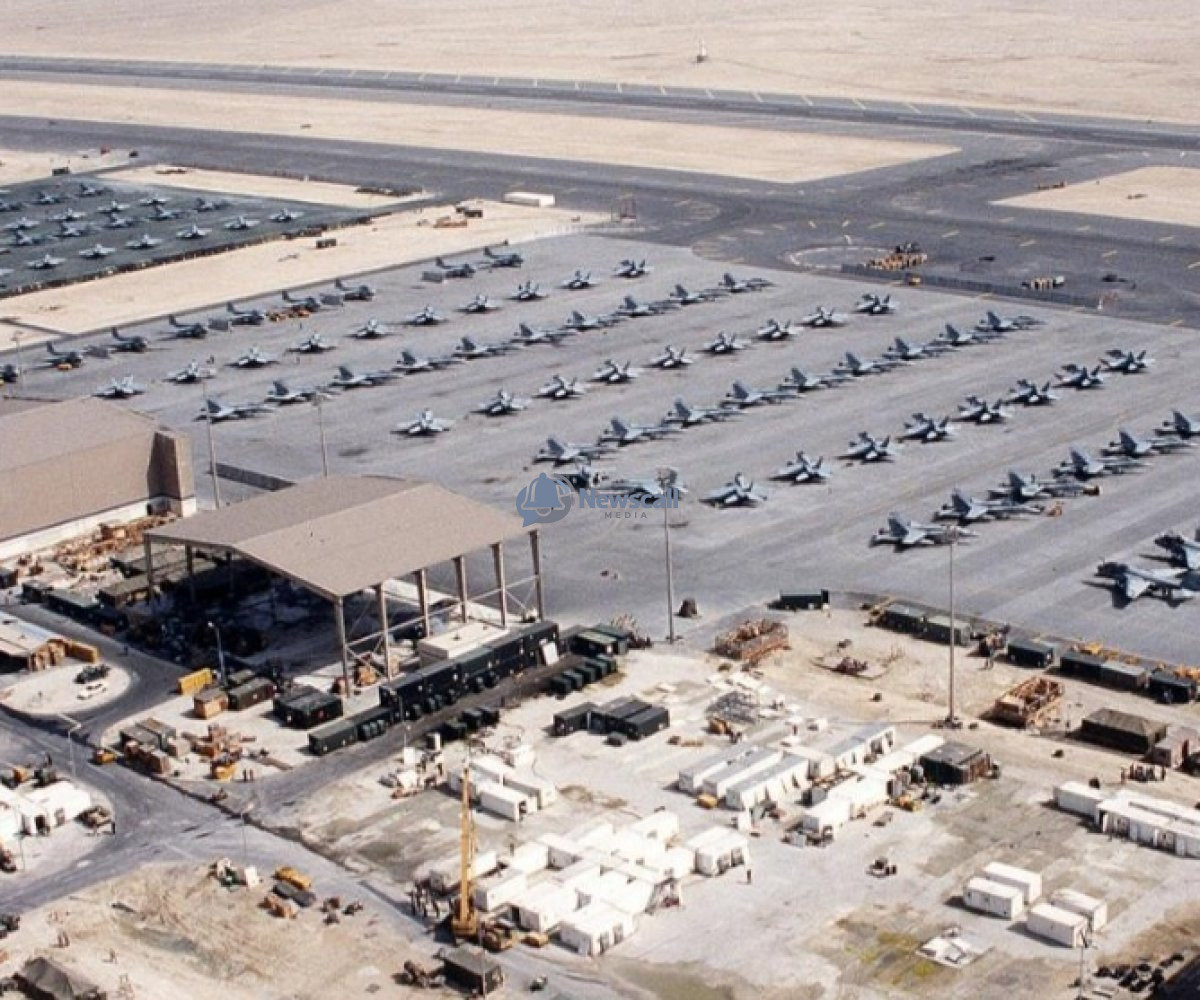
Tuesday's developments extended beyond the tanker incident. Iran also launched drones targeting a United States military radar installation at Sheikh Isa Air Base in Bahrain. Iran's Revolutionary Guard said the installation was targeted, but Bahraini authorities reported that their air defence systems intercepted the attack without casualties or damage.
The attacks occurred while diplomatic efforts were continuing. Iranian Foreign Minister Abbas Araqchi met Omani officials to discuss maritime security and the protection of international shipping routes. Qatar was also facilitating discussions between Iranian and Qatari representatives in an effort to narrow differences and prevent further escalation.
Meanwhile, the United States maintained its naval pressure on Iran, with the arrival of another American aircraft carrier adding to its military presence in the region.
Energy markets remain sensitive to developments. Reuters reported that Brent crude traded at approximately $92.76 per barrel on Tuesday, substantially above pre-war levels.
For countries dependent on imported fuel, including several African economies, prolonged disruption could increase transportation costs, inflationary pressure and the prices of essential goods.
The immediate concern, however, remains the safety of maritime crews and the possibility that attacks on commercial vessels could draw additional countries into the conflict.
What happens next?
The international community faces an urgent challenge: protecting commercial shipping without triggering a broader military confrontation. Diplomatic mediation through Oman and Qatar could prove essential, but continued attacks on vessels and military installations threaten to undermine those efforts.
The Strait of Hormuz is not merely a regional waterway. Its security has direct consequences for the global economy.

OKORO WILSON EGWU
“Independent journalist delivering sharp, reporting on global conflicts, humanitarian crises, and international diplomacy. Known for transforming complex world events into...