

Pope Leo XIV Returns to Peru as 500,000 Attend Mass in His Former Diocese
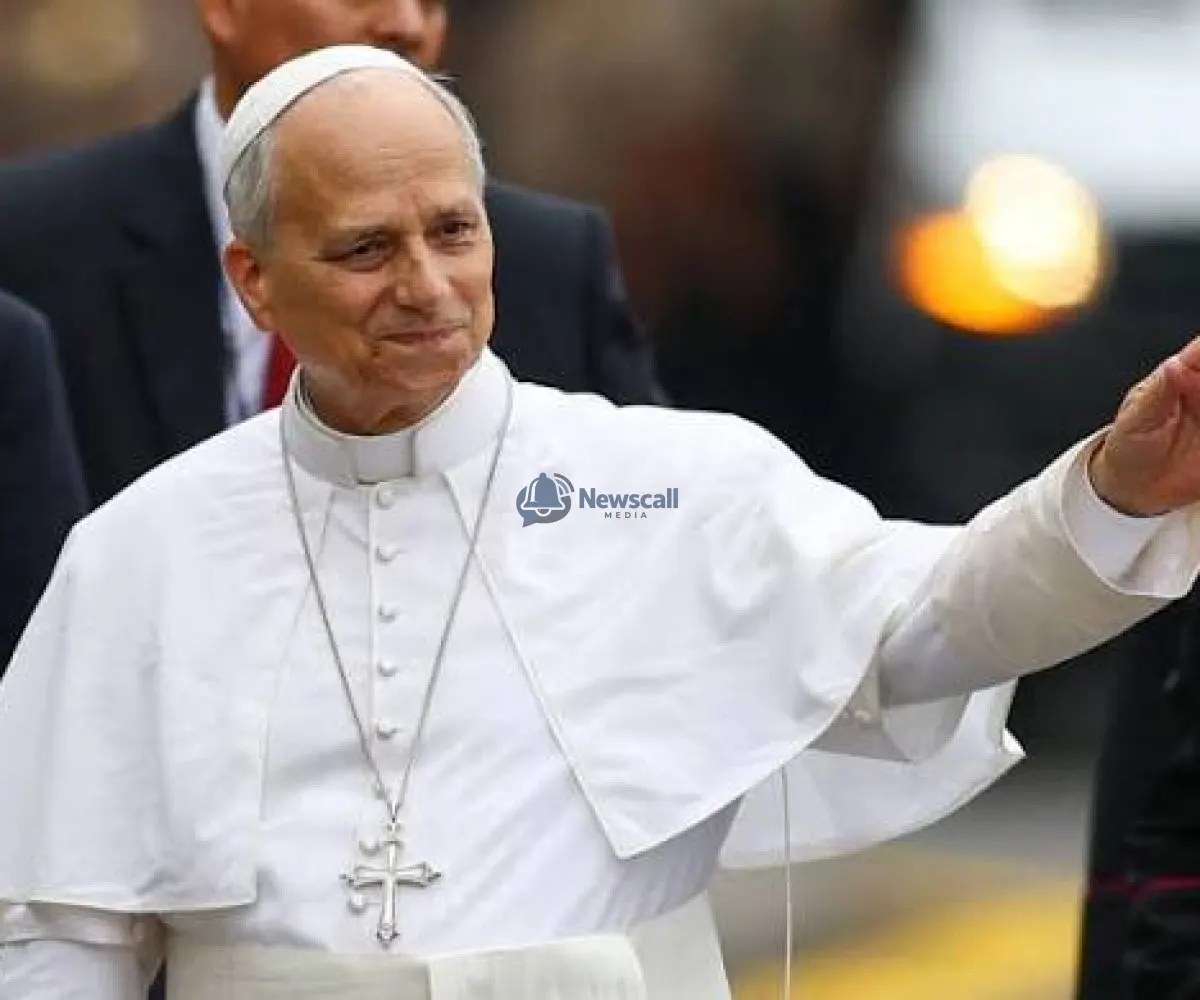
Pope Leo XIV has returned to the Peruvian city where he once served as a bishop, drawing enormous crowds for an outdoor Mass that turned his visit into an emotional homecoming.
An estimated 500,000 people attended the celebration near the Pampas de Pimentel, outside Chiclayo, on Friday, November 13, according to figures reported by the Associated Press. The Vatican also estimated that about one million people lined the route to welcome the pontiff as he arrived in the region.
For many of those gathered, this was more than an opportunity to see the leader of the Catholic Church. It was a chance to welcome back a man they had known long before he became Pope.
Leo XIV, born Robert Francis Prevost in Chicago, served as Bishop of Chiclayo from 2015 to 2023. His connection to Peru stretches much further back, however. He spent about two decades in the country as a missionary and church leader, building relationships with communities that would later become part of his story as pope.
In Chiclayo, some residents still affectionately call him “Padre Roberto” or “Padre Robert”. Others know him as a friend who shared their everyday experiences before his election placed him at the head of the world's Catholic Church.
His return on Friday was one of the major events of his ongoing apostolic journey across South America, which includes Uruguay, Argentina and Peru.
The scale of the reception reflected how strongly the city identifies with its former bishop. People had travelled from different parts of the country to attend the Mass, while some supporters reportedly camped overnight near the open field ahead of his arrival.
The Vatican's crowd estimates also need to be understood in context. The 500,000 figure relates to the Mass near Chiclayo, while the estimated one million refers to people who lined his route. These figures are separate from the approximately three million people local authorities estimated had welcomed him in Lima on Wednesday, November 11, after his arrival in Peru.
That reception in the capital was already one of the largest crowds of Leo's papacy. But the gathering in Chiclayo carried a different significance because of the personal history between the pontiff and the people who came to see him.
During his years in Peru, Prevost worked in communities far beyond the country's major cities. His ministry included missionary work, leadership within the Augustinian order and service as a bishop. He became familiar with the challenges facing ordinary families, particularly those in poorer and more vulnerable communities.
Reports from his years in the country describe a church leader who maintained close contact with residents and responded to difficult circumstances. During the COVID-19 pandemic, he was involved in efforts to support communities affected by the crisis. He also worked with people facing hardship from flooding and supported Venezuelan migrants who had arrived in Peru.
These experiences have become part of the way many Peruvians understand the man who is now pope. For them, his connection to the country is not simply a matter of citizenship or a previous appointment. It is rooted in years of living and working among its people.
That relationship was visible even before Friday's Mass. In the days leading up to his arrival in Chiclayo, the city displayed banners, murals, posters and other tributes celebrating its former bishop. Businesses and residents joined preparations for the visit, while some people travelled long distances to be present.
The Associated Press reported that Leo described his return to the city as a joy and thanked residents for their prayers. The welcome also appeared to move the usually reserved pontiff, who has shown a particularly warm and familiar side during his time in Peru.
His visit has attracted attention partly because it offers a glimpse into the experiences that shaped his leadership before his election as pope in May 2025. Leo became the first pope born in the United States, but his years in Peru have also formed an important part of his public identity.
He has previously spoken about the country with affection, and his first public words after his election included a greeting to the people of Chiclayo. That moment was significant to residents who had watched their former bishop become the leader of the Catholic Church.
The current South American journey is therefore not simply a diplomatic or religious tour. It is also a return to places and communities that helped shape his life before the papacy.
According to the Vatican's published programme, Friday's visit included the outdoor Mass near Pampas de Pimentel, a private visit to the San Óscar A. Romero Chapel, meetings with clergy and religious communities, and an engagement with the university community at Santo Toribio de Mogrovejo Catholic University. The pope was also scheduled to have dinner with priests of the Diocese of Chiclayo.
His programme in the region continues on Saturday, November 14, with visits to Santa Cruz de Succhabamba and Zaña, before he travels to Cusco and Pucallpa on Sunday.
The journey is part of a 12-day apostolic trip running from November 6 to 17, taking in Uruguay, Argentina and Peru. It is one of the major international journeys of his pontificate so far.
For the Catholic Church, the visit provides an opportunity for the pope to meet communities across the region and speak about faith, service and social concerns. For Chiclayo, however, Friday's gathering had a more personal meaning.
The city was welcoming someone who had once been its bishop, who had shared years of its history and who had become a global religious figure without losing the connection residents feel they have with him.
Hundreds of thousands came to attend the Mass, while many more watched or waited along his route. The numbers were extraordinary, but the story behind them is what makes the visit stand out.
Pope Leo XIV may now lead a global Church of more than a billion Catholics, but in Chiclayo, many still remember the missionary and bishop who lived among them as Padre Roberto.
Victor Oluebubechukwu Akuma.
Creative writer