


The Hidden Barriers Keeping Children Out of School
One in three to six school-age children worldwide is out of school, and for many the reason is not a missing classroom but a missing uniform, bus fare or safe path to class.
273 million and counting
UNESCO's 2026 Global Education Monitoring Report puts the number of children and young people out of school at 273 million, the seventh year in a row that it has risen. Only two in three students finish secondary school, and UNESCO warns that official data undercounts children displaced by conflict.
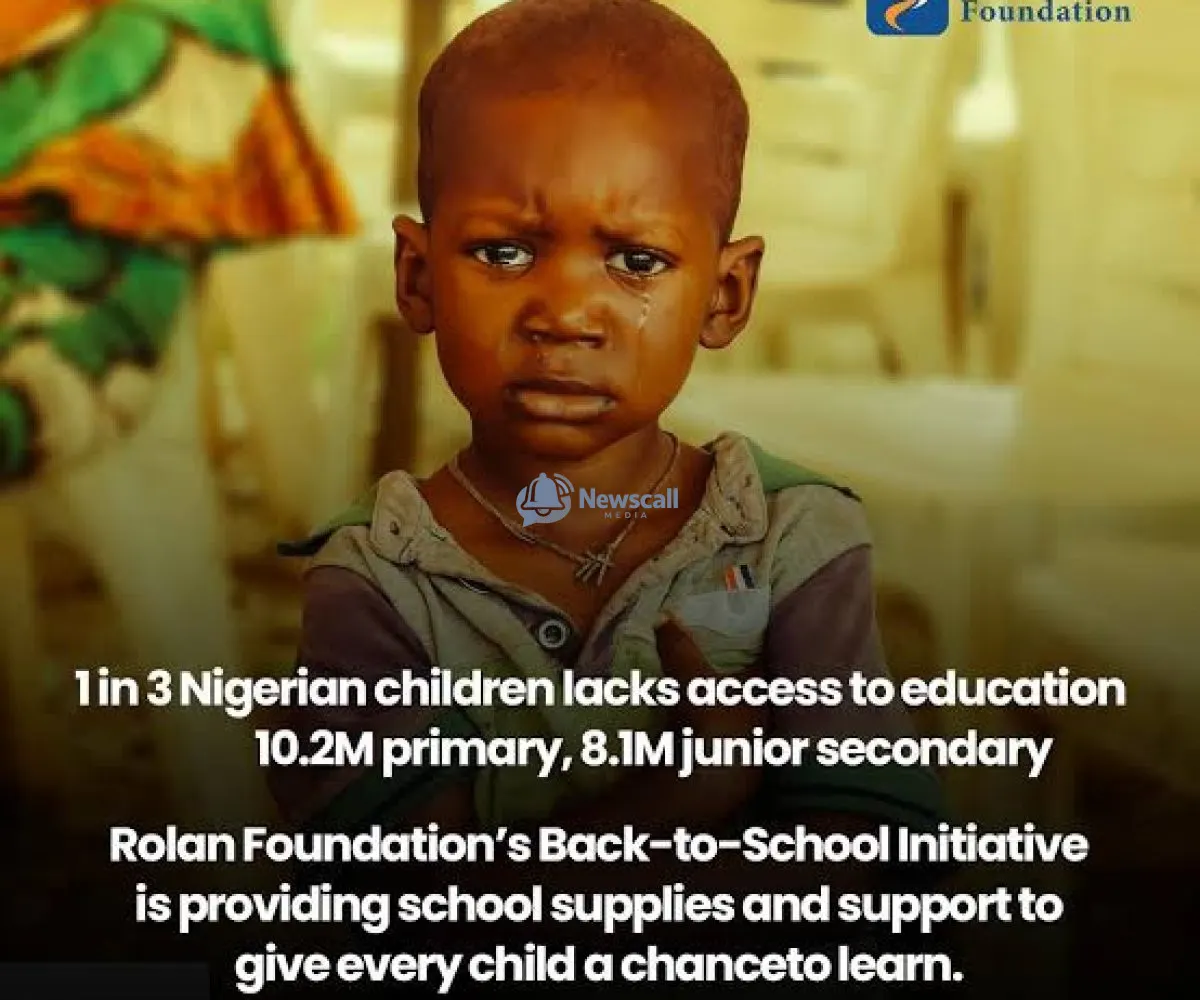
Nigeria carries one of the heaviest burdens. UNICEF puts the country at about 18.3 million out-of-school children, the highest number of any country, with Jigawa, Kano and Katsina among the hardest-hit states. Of these, 10.2 million are of primary age and 8.1 million are at junior secondary level.
Free school is rarely free
Abolishing tuition does not remove the bill. Families still pay for uniforms, books, supplies, exam fees and transport, and UNESCO notes that meals and after-school care add to the load. Children from the poorest households are up to four times more likely to be out of school than children from wealthy ones.
For a family choosing which child to send, a small recurring cost can decide the matter.
The long, unsafe walk
Where schools are far away, a walk of up to three hours each way is not unusual. Long journeys raise the risk of danger, and distance hurts teenage girls most. Parents who fear for their children's safety often keep them home, even when they value education.
Conflict deepens the problem. Girls in conflict-affected countries are almost 2.5 times more likely to be out of school than girls elsewhere, and UNICEF has linked school attacks by armed groups to the rising numbers in Nigeria.
Girls pay the highest price
When money is tight, some families decide a girl's schooling is worth less than a boy's. Household chores, early marriage and early childbirth pull girls out of class, and unsafe or shared toilets, with no sanitary supplies, push out those who are menstruating.
Each barrier is small on its own. Together they explain why girls often vanish from school gradually, through irregular attendance, long before anyone records them as dropped out.
What brings children back
Progress is possible. Madagascar, Togo, Morocco, Viet Nam, Georgia and Türkiye have each cut their out-of-school rates by at least 80% since 2000, and global enrolment has grown by 327 million students in that time.
What tends to work is practical:
- Scholarships and small cash support that cover fees, uniforms and lost household income. In Ghana, scholarships led to 26% more students finishing senior high school.
- Stronger early childhood education, which Nigerian officials describe as a key route to fewer out-of-school children.
- Safer, closer schools with separate toilets and sanitary supplies for girls.
What can done
- Sponsor a child's uniform, books or exam fees, or support a local scholarship fund.
- Ask your school, church, mosque or community group to run a book and supplies drive.
- Talk to parents in your area about the value of keeping girls in school.
- Ask local leaders what is being done to make schools safer and closer.
Every child deserves a classroom, and the barriers above are ones we can remove.

David Onyema Ugwueze
Writer at NewsCall Media